in si·tu
/ˌin ˈsīto͞o,ˌin ˈsēto͞o/
adverb
in the original place.

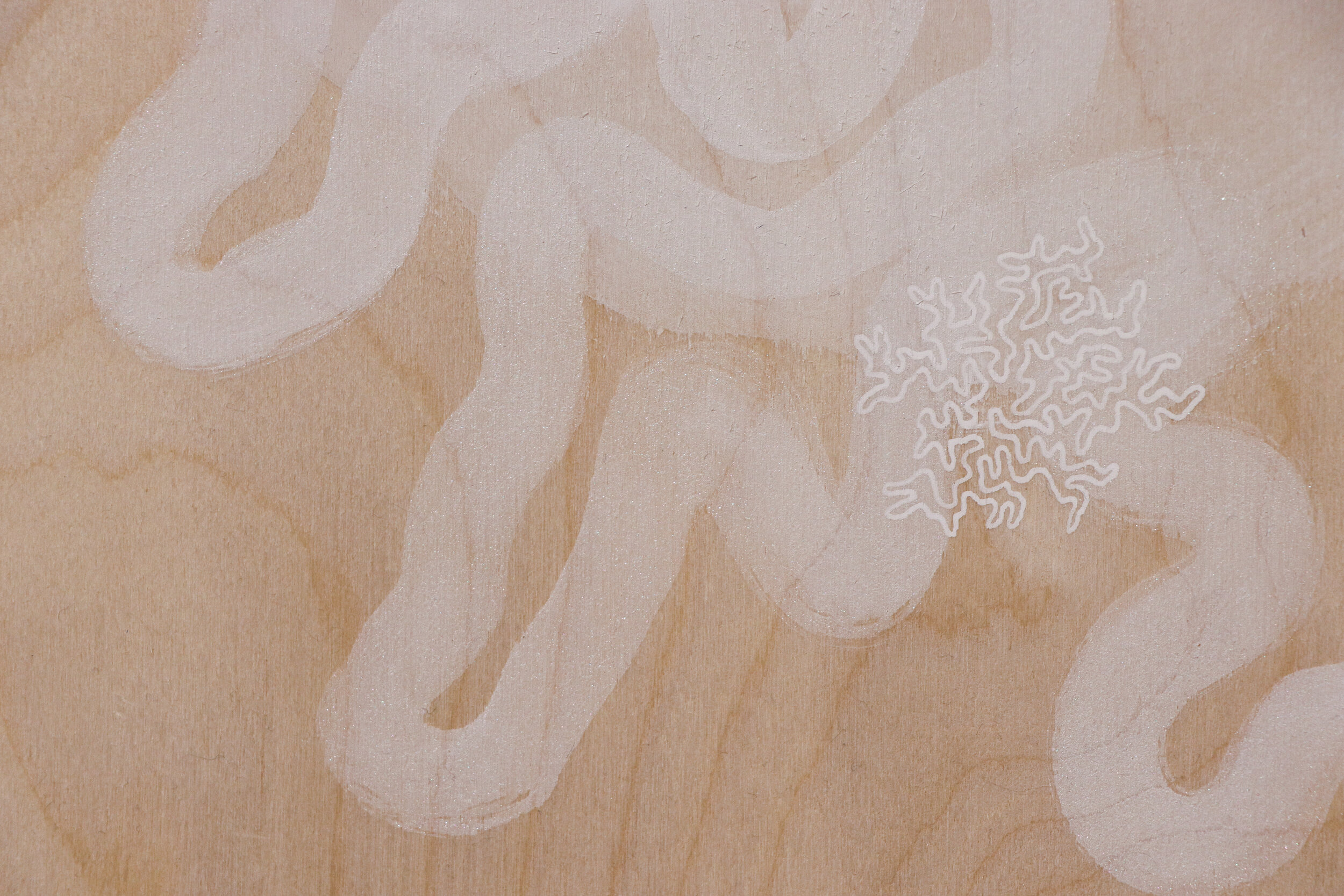
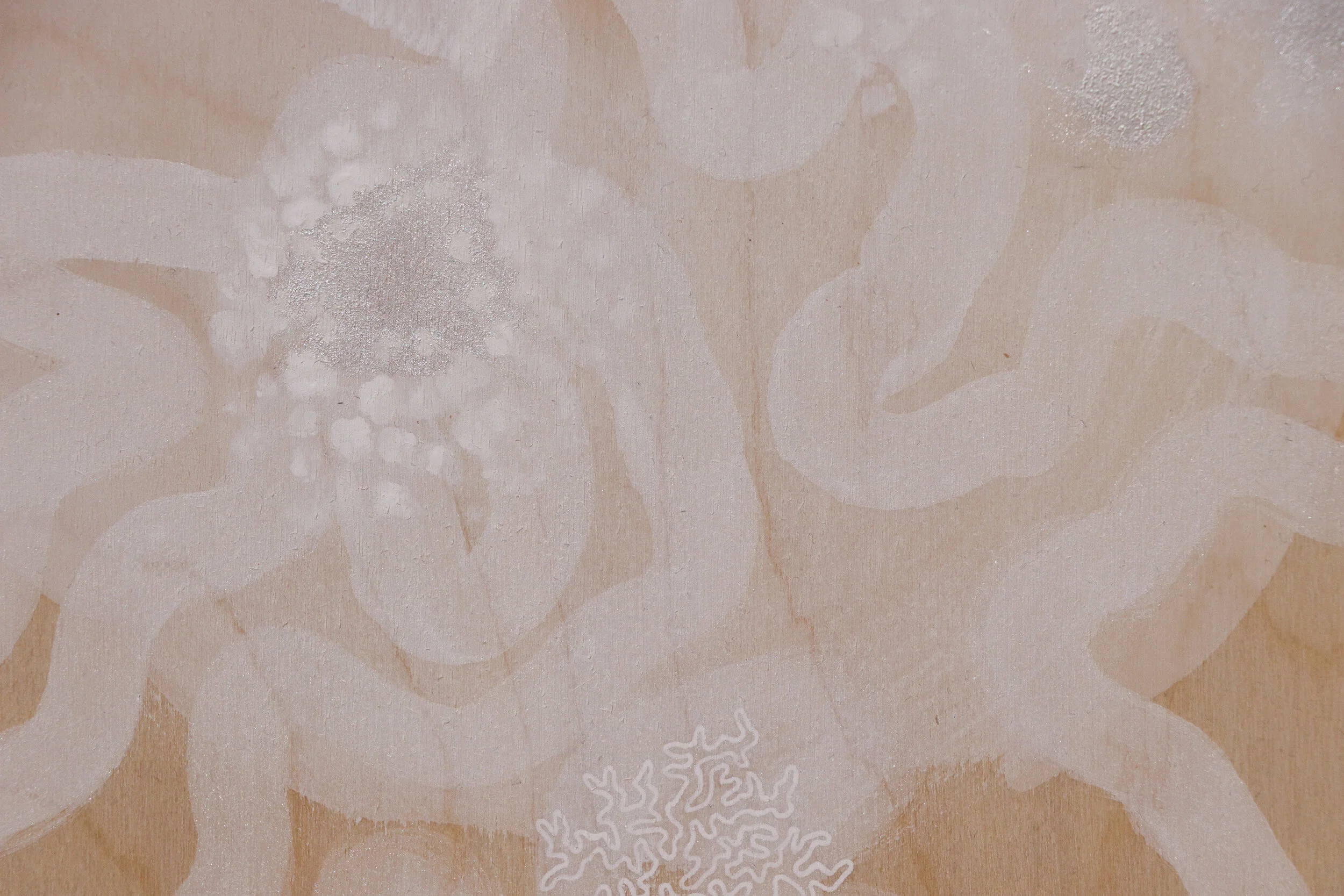
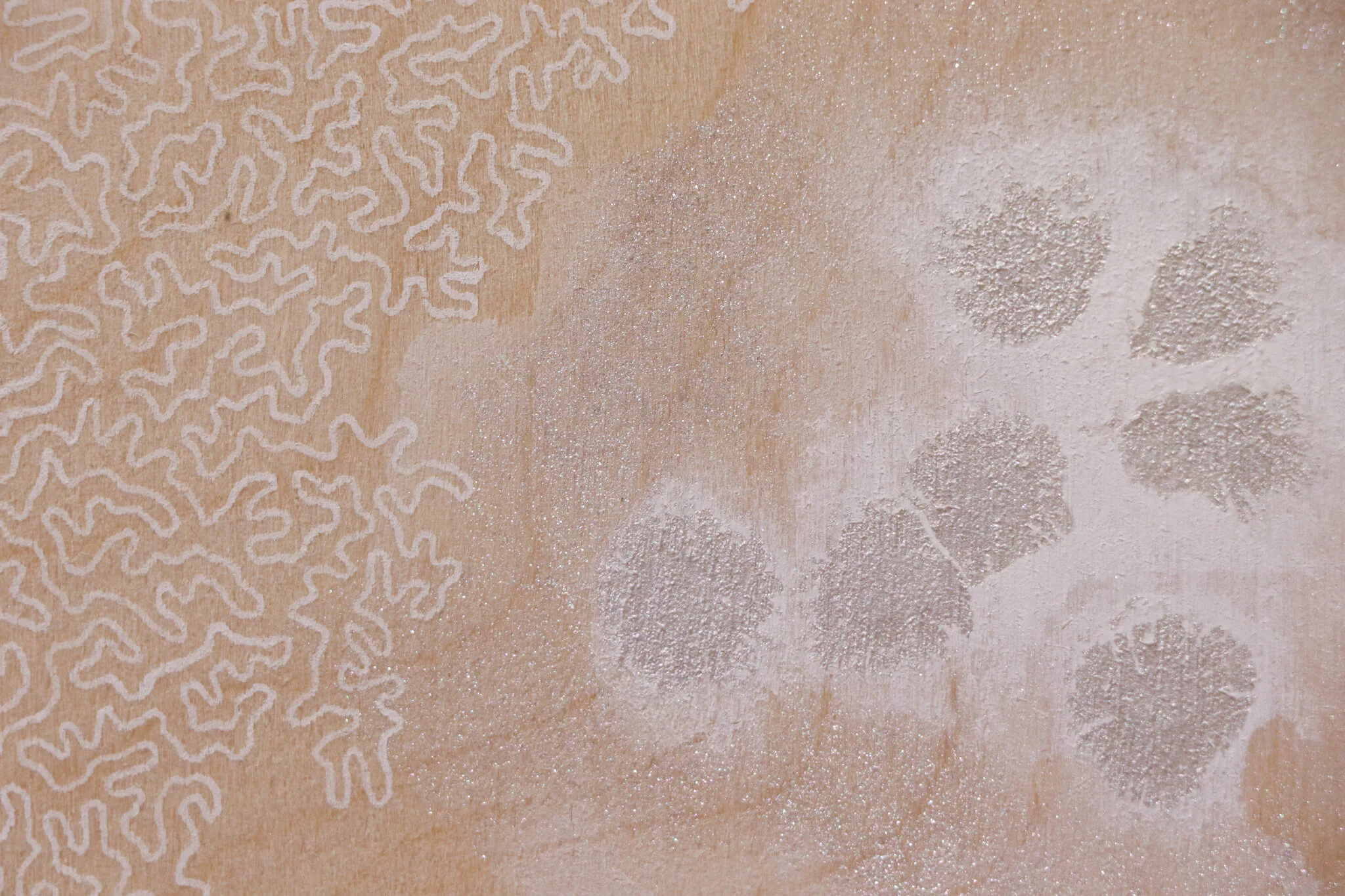
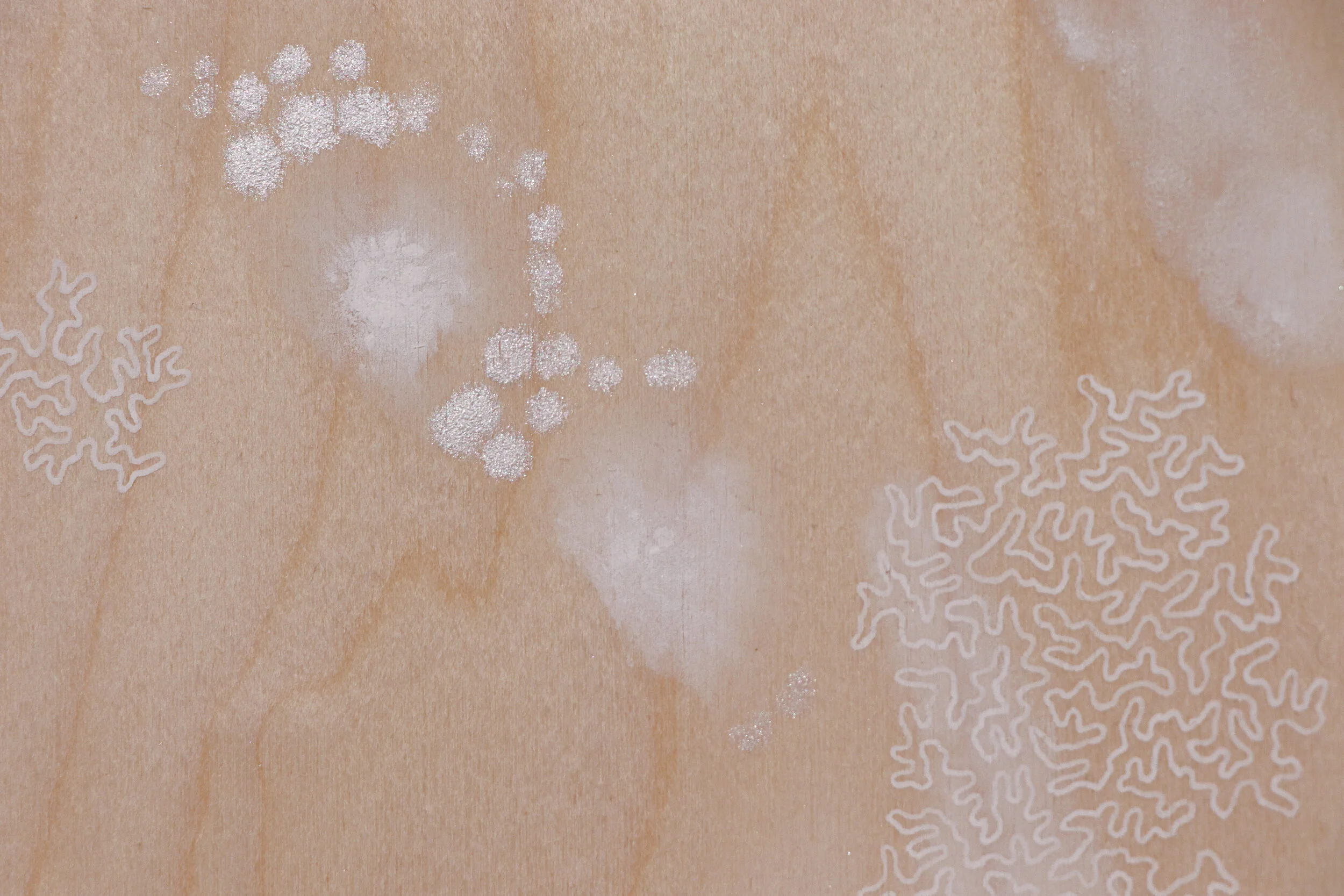
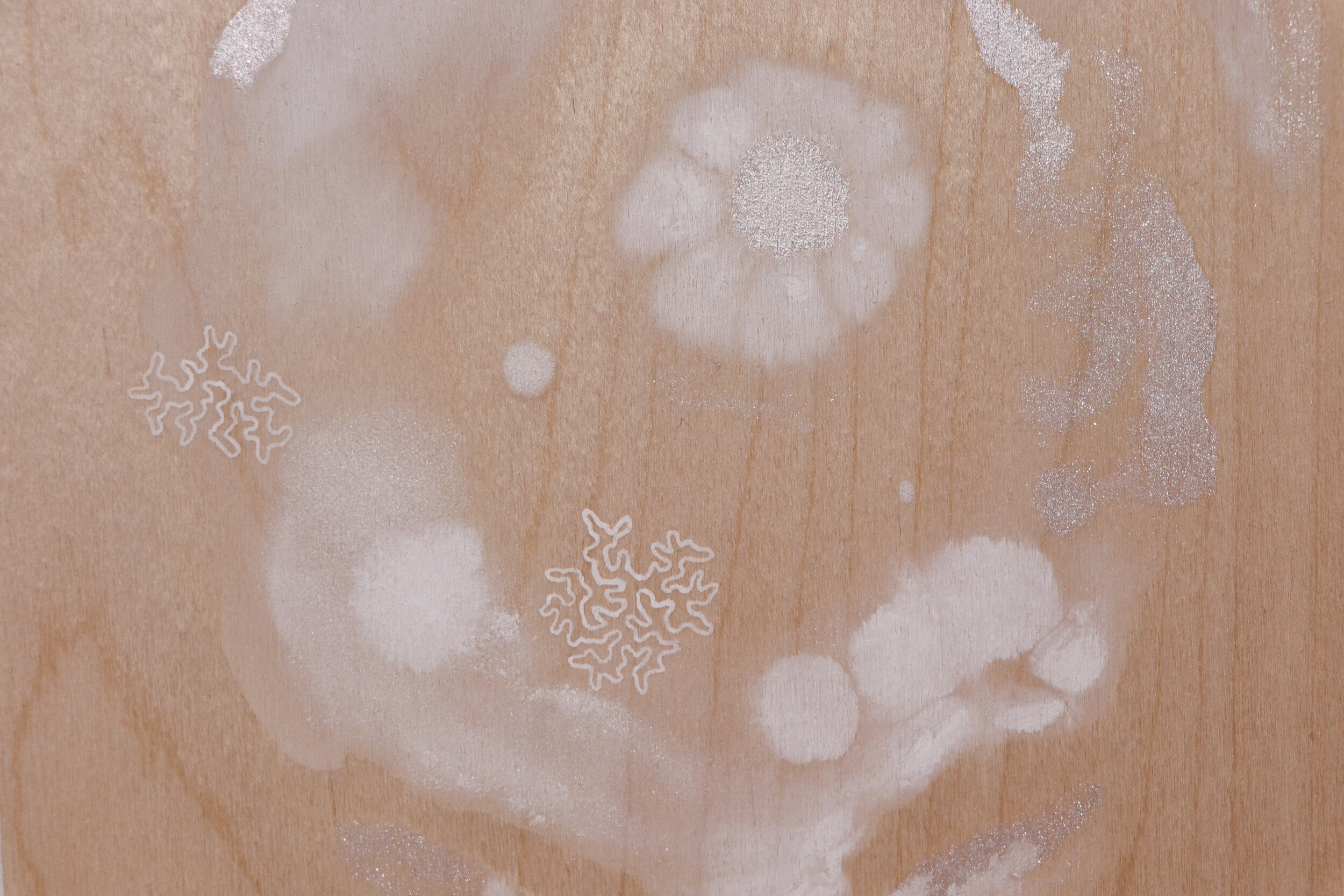
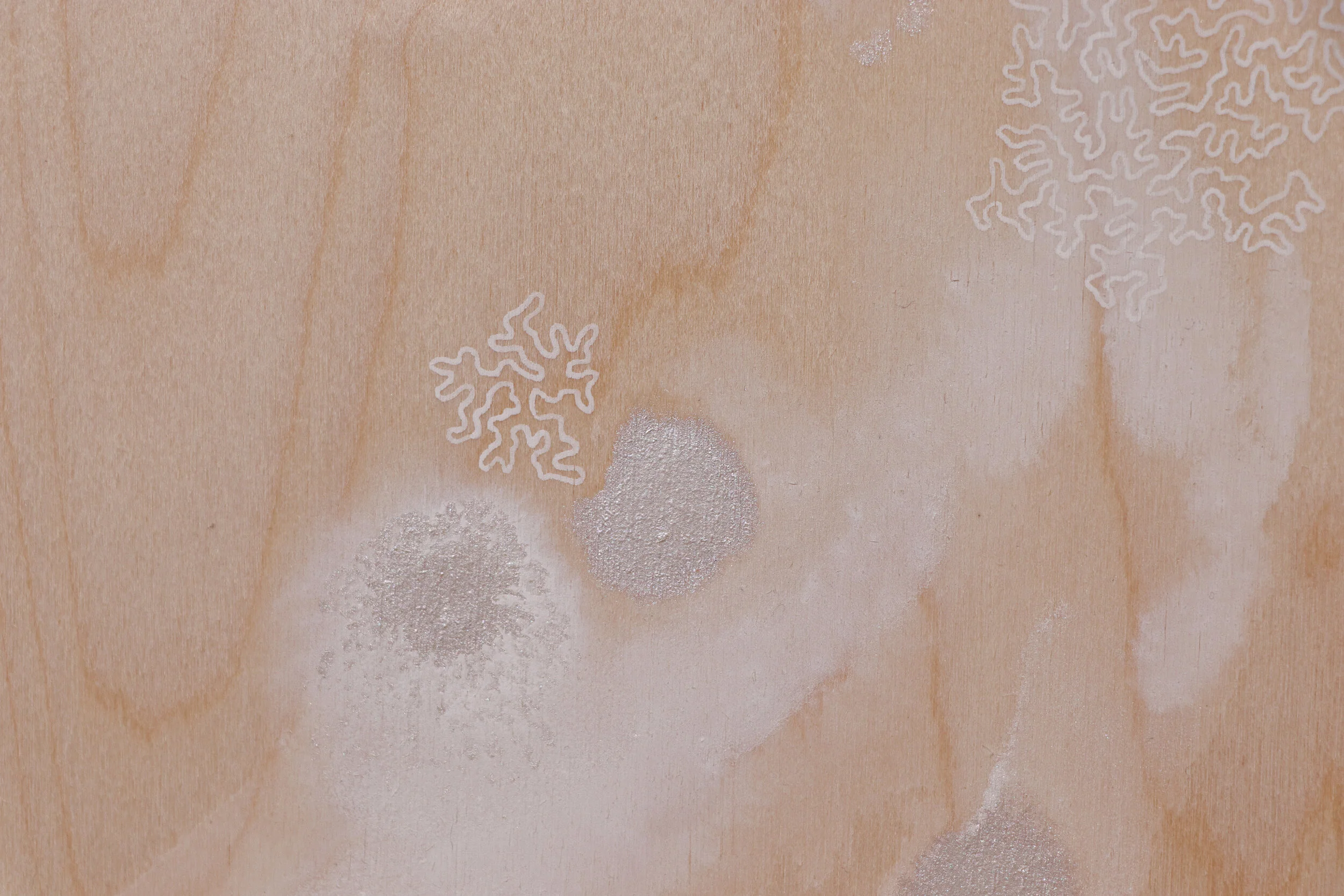
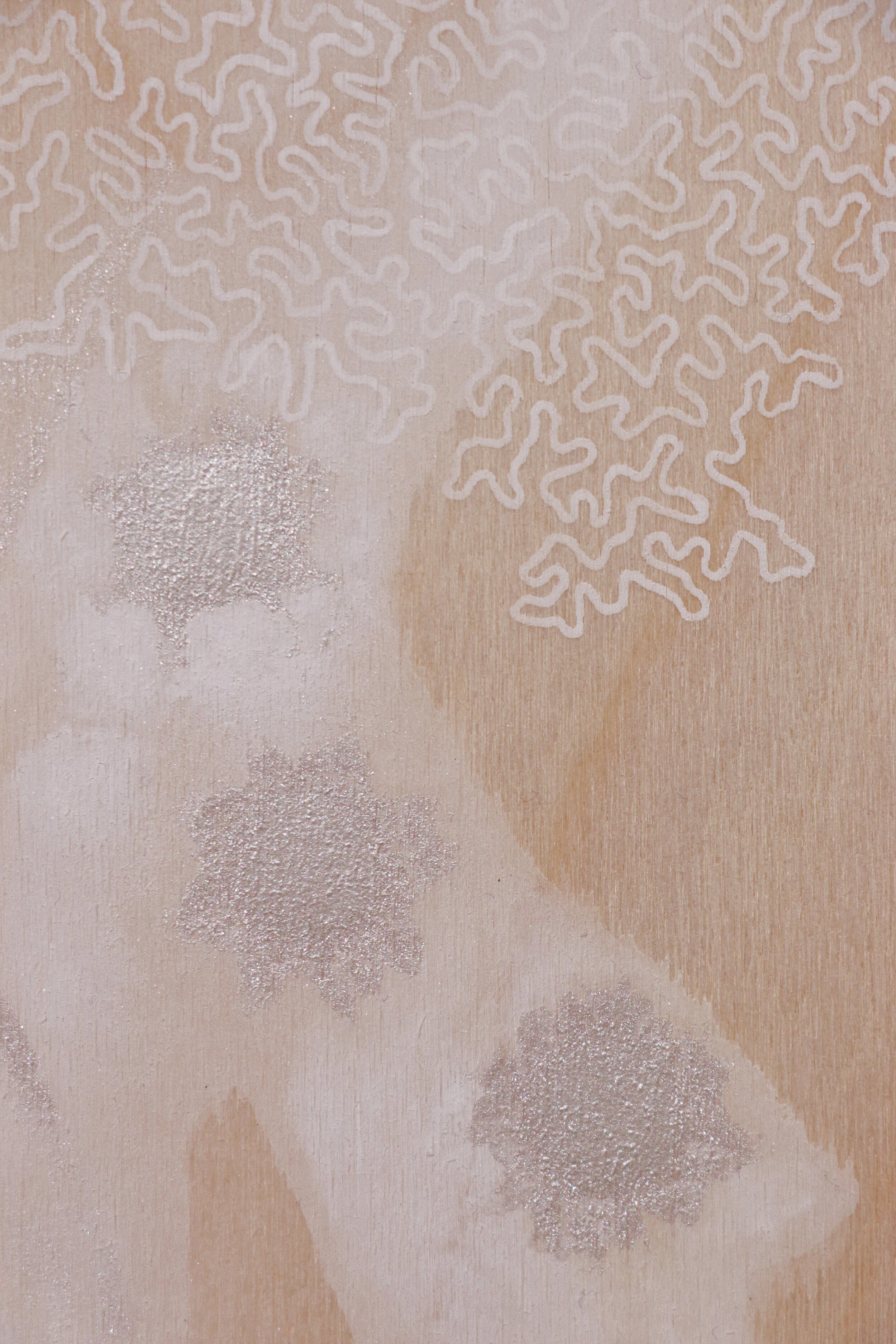
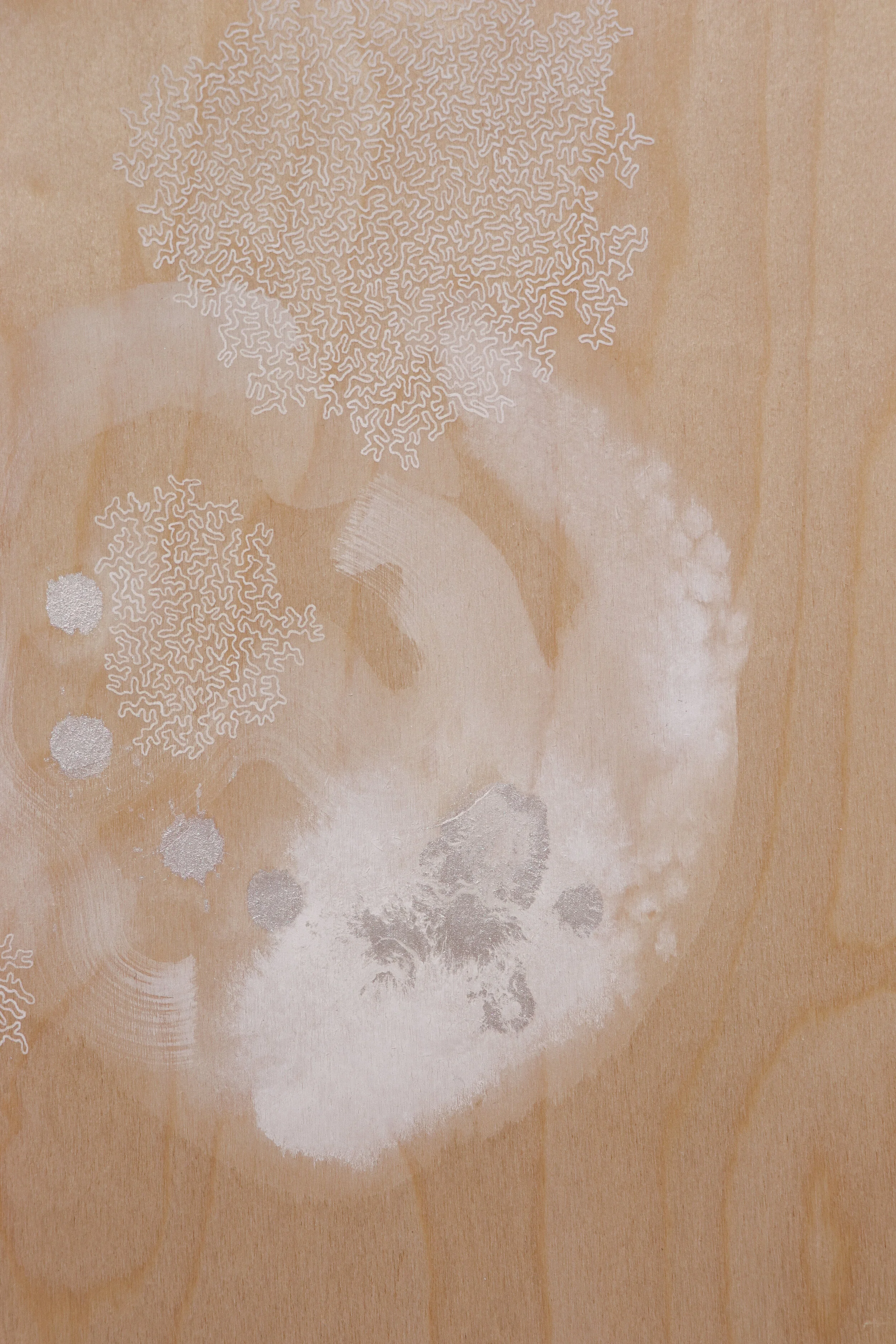
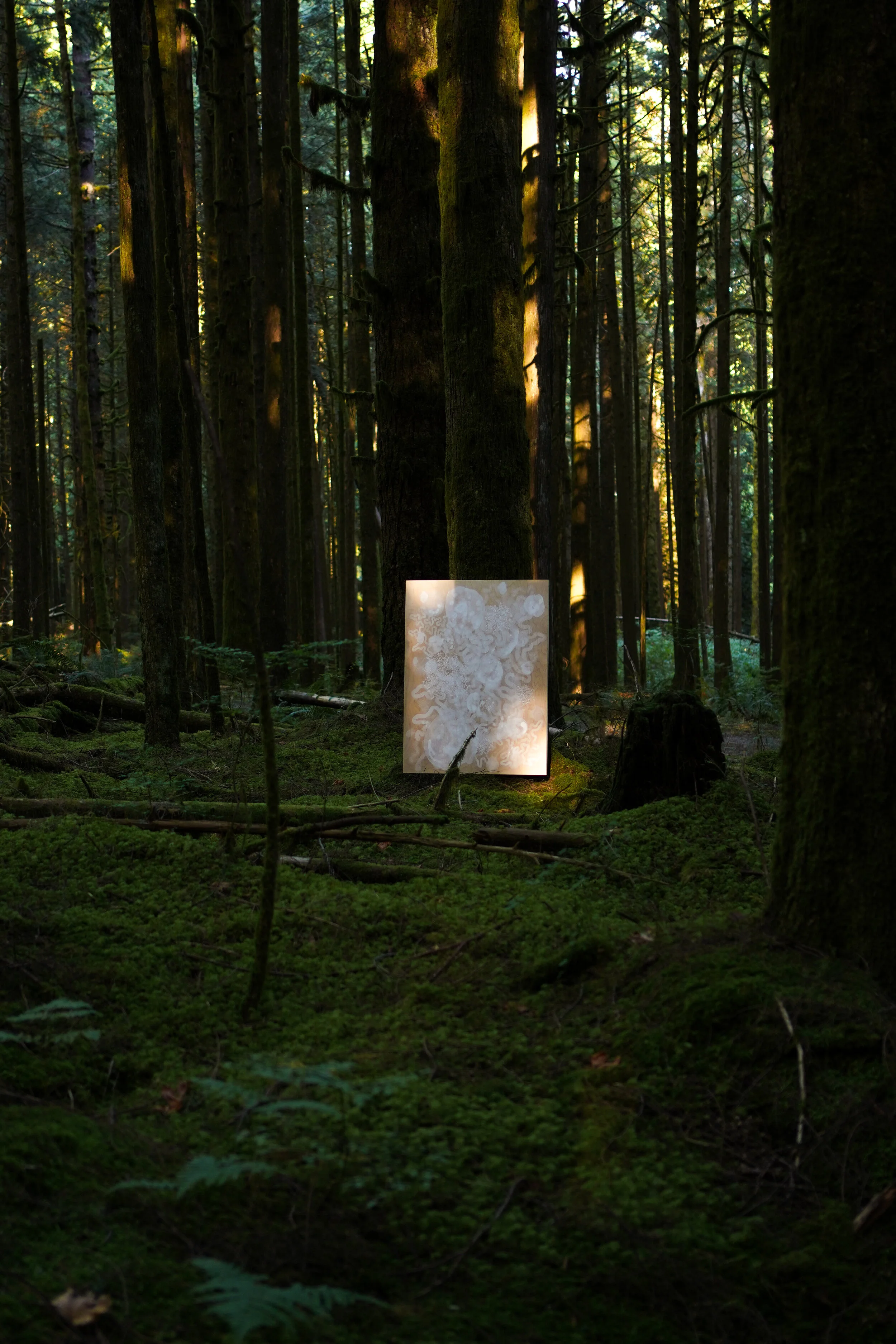
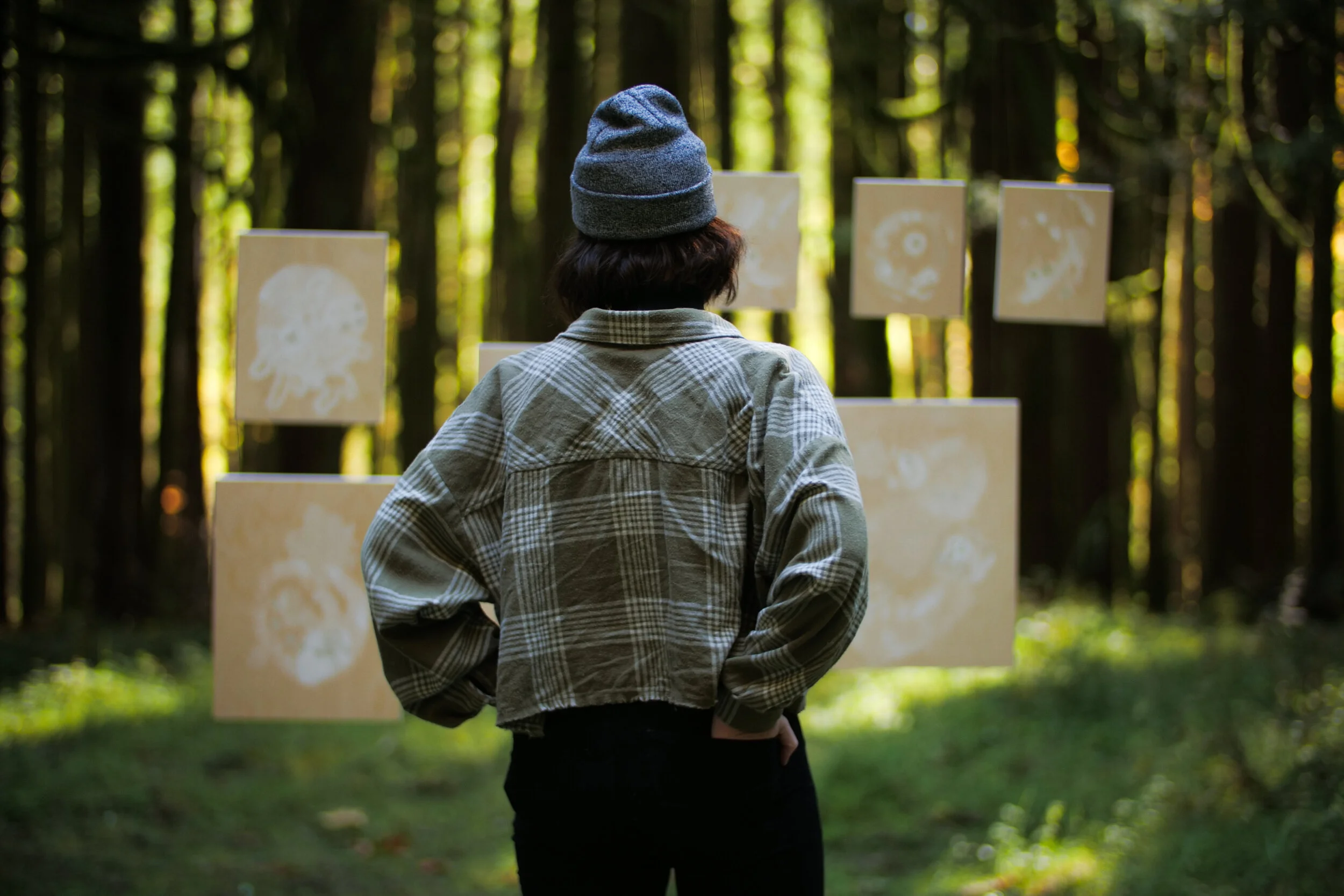
The traditional institutions of the art world have always suffered from inaccessibility. Whether it be due to financial barriers, colonized pedagogical values, or a generalized sense of othering, so called “white cube” institutions often feel unwelcoming. Due to the COVID pandemic we now face the reality that along with the aforementioned obstacles is the issue that we often cannot physically enter and experience artworks in an embodied manner, further dissociating us from these places. Additionally, with an abundance of leisure time provided by the pandemic and subsequent economic shutdown, our collective consumption of visual culture and online content are at an all time high. In Situ investigates these simultaneous truths by using digital images and the natural world to subvert the narrative of where an audience may encounter an artwork, questioning both our relationship to and the accessibility of these spaces.
These images were produced within the traditional territories of the Katzie First Nation, Kwantlen First Nation, Matsqui First Nation, Tsawwassen First Nation, Sto:lo Nation, In-SHUCKch Nation, Sts’Ailes First Nation and the St’at’imc/Lillooet Tribal Council an area known colloquially to settlers as Golden Ears Provincial Park. I would like to acknowledge the significance of this land to these indigenous peoples who have too often been displaced and disenfranchised and express my deepest gratitude for the opportunities afforded to me here.
This project was made possible by the Digital Originals Micro Innovation grant awarded by the Canada Council for the Arts, I am grateful to the Canada Council for both the financial support and the recognition. I would also like to acknowledge Richard Witting, Eric Sebastian, and Tom Johnson for their invaluable help in the production of the images as well as emilee guilfoyle for her assistance as a peer editor in the initial conception and development of the project.